-
0769-38866368



How Wire Harnesses Are Manufactured Step by Step
Wire harnesses are essential components used in automotive, industrial equipment, medical devices, renewable energy systems, and consumer electronics. They organize wires, simplify installation, and improve electrical reliability.
But how are wire harnesses actually made?
In this guide, we explain the wire harness manufacturing process step by step, helping buyers and engineers understand how quality cable assemblies are produced.
What Is a Wire Harness?
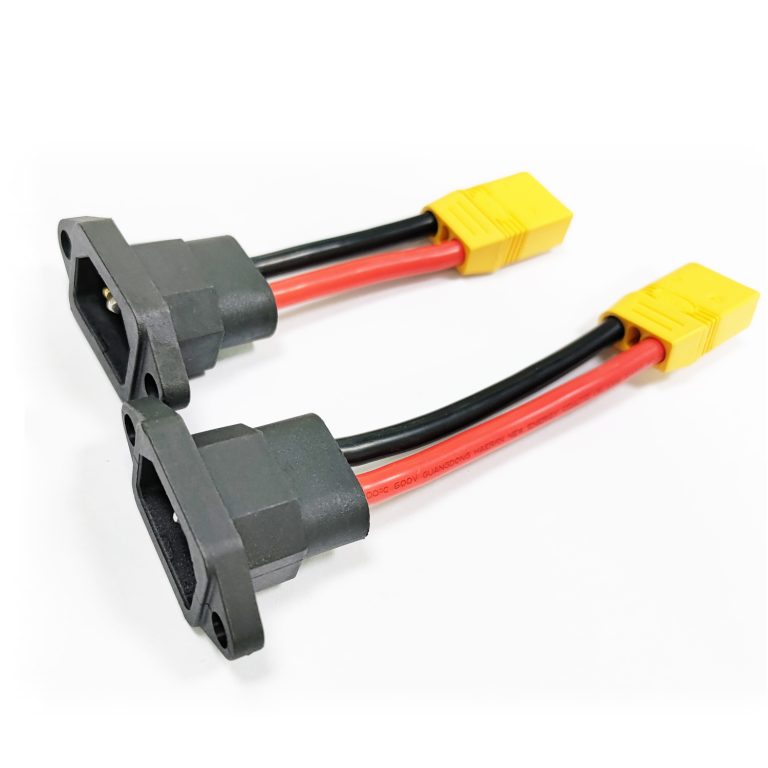
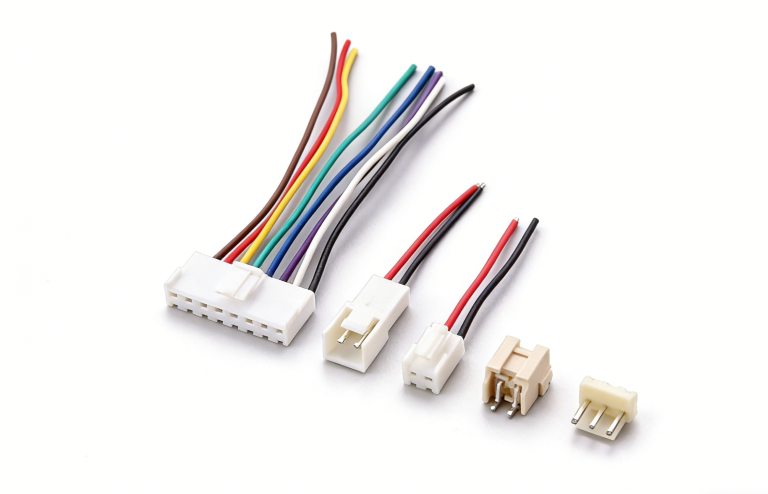
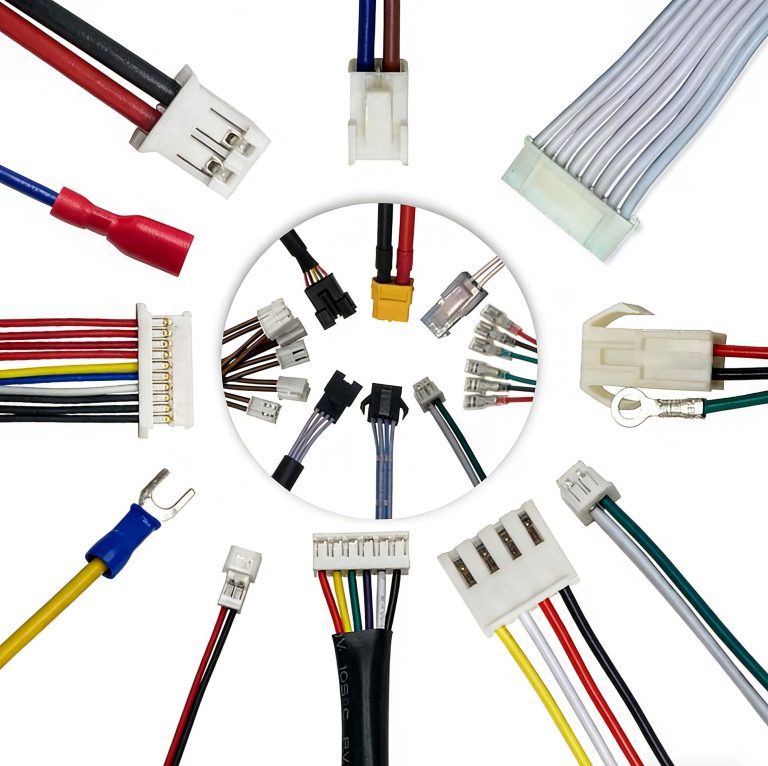
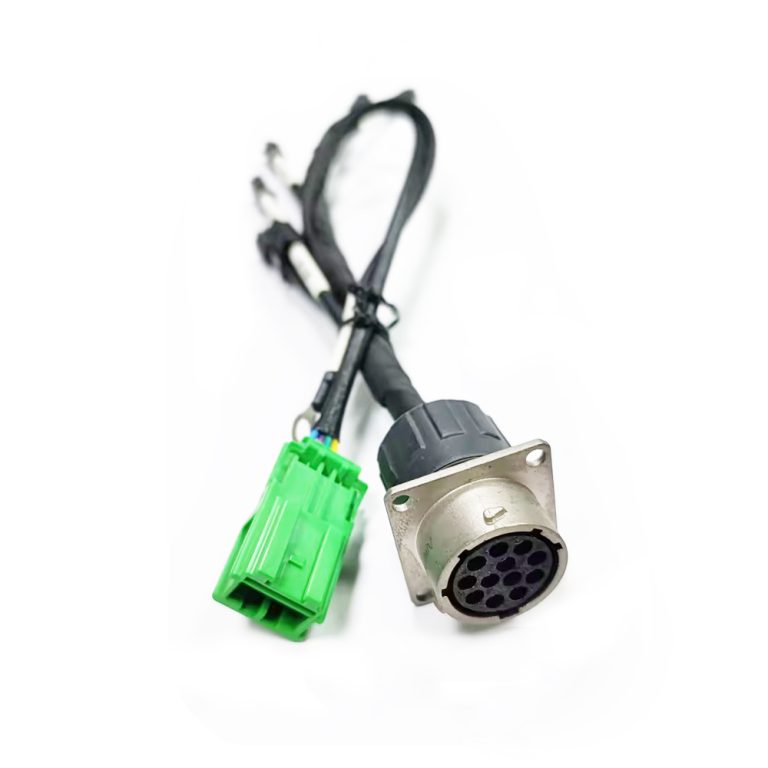
A wire harness is an organized assembly of wires, terminals, connectors, sleeves, and protective components bundled together to transmit power or signals.
Custom wire harnesses are designed according to specific voltage, current, routing, and connector requirements.
Step 1: Engineering Design & Drawing Confirmation
Before production starts, engineers review:
- Cable specifications
- Wire gauge (AWG)
- Connector models
- Pin assignments
- Harness length
- Application environment
A production drawing or sample is confirmed before manufacturing.
Why It Matters
Accurate engineering design prevents assembly errors and reduces production delays.
Step 2: Wire Cutting
The first production step is cutting wires to the required lengths using automatic wire cutting machines.
Machines ensure:
- Precise cable length
- High speed production
- Consistent quality
Different colors may be used for easier circuit identification.
Step 3: Wire Stripping
After cutting, both wire ends are stripped to expose the conductor for terminal crimping or soldering.
Correct stripping length is critical because:
- Too short = poor connection
- Too long = exposed conductor risk
Step 4: Terminal Crimping
Terminals are attached to wire ends using precision crimping machines.
Common terminals include:
- Ring terminals
- Blade terminals
- Pin terminals
- Custom contacts
Quality Focus
Proper crimping ensures:
- Strong mechanical retention
- Low resistance connection
- Long service life
Step 5: Soldering (If Required)
Some custom cable assemblies require soldering for PCB connectors or special terminals.
After soldering, heat shrink tubing may be applied for insulation and strain relief.
Step 6: Connector Housing Assembly
Crimped wires are inserted into connector housings according to the wiring diagram.
Operators verify:
- Correct cavity position
- Pin sequence
- Locking engagement
This step is critical for multi-pin connectors.
Step 7: Harness Routing & Bundling
Wires are organized into the final harness shape using:
- Cable ties
- Sleeves
- Corrugated tubes
- Braided protection
- Tape wrapping
This improves durability and installation efficiency.
Step 8: Electrical Testing
Every professional wire harness manufacturer should perform testing.
Common Tests
- Continuity test
- Short circuit test
- High voltage (Hi-Pot) test
- Resistance test
Testing ensures each circuit works correctly before shipment.
Step 9: Final Inspection
Quality control staff inspect:
- Appearance
- Labeling
- Length tolerance
- Connector fitment
- Packaging accuracy
Only qualified products move to shipment.
Step 10: Packaging & Delivery
Finished wire harnesses are packed according to customer requirements:
- Individual bagging
- Label stickers
- Carton packaging
- Pallet shipment
Export packaging is often used for overseas customers.
Why Manufacturing Quality Matters
Poorly made wire harnesses can cause:
- System failure
- Downtime
- Safety risks
- Expensive warranty claims
That is why choosing an experienced custom wire harness manufacturer is essential.
Why Choose Our Factory
We provide:
- OEM / ODM manufacturing
- Low MOQ support
- Fast prototype service
- 100% electrical testing
- Competitive pricing
- Global shipping
Conclusion
The wire harness manufacturing process involves much more than connecting wires. It requires precision engineering, skilled assembly, testing, and strict quality control.
If you need reliable custom wire harness solutions, working with a professional supplier ensures stable quality and on-time delivery.
Request a Quote
Need custom wire harness manufacturing support?
Contact us today for drawings review, fast quotation, and prototype service.