Sample text
-
0769-38866368



Terminal Wire Basics: Everything You Need to Know About Wire Harness Components
Terminal wires are essential components in any electrical or electronic system. From automotive wire harnesses to industrial machinery and consumer electronics, terminal wires ensure reliable power distribution and signal transmission. Understanding their structure, types, and applications is key for selecting the right wire harness or cable assembly solution.
This guide provides a complete overview of terminal wires, helping engineers, designers, and procurement teams make informed decisions.
What Is a Terminal Wire?
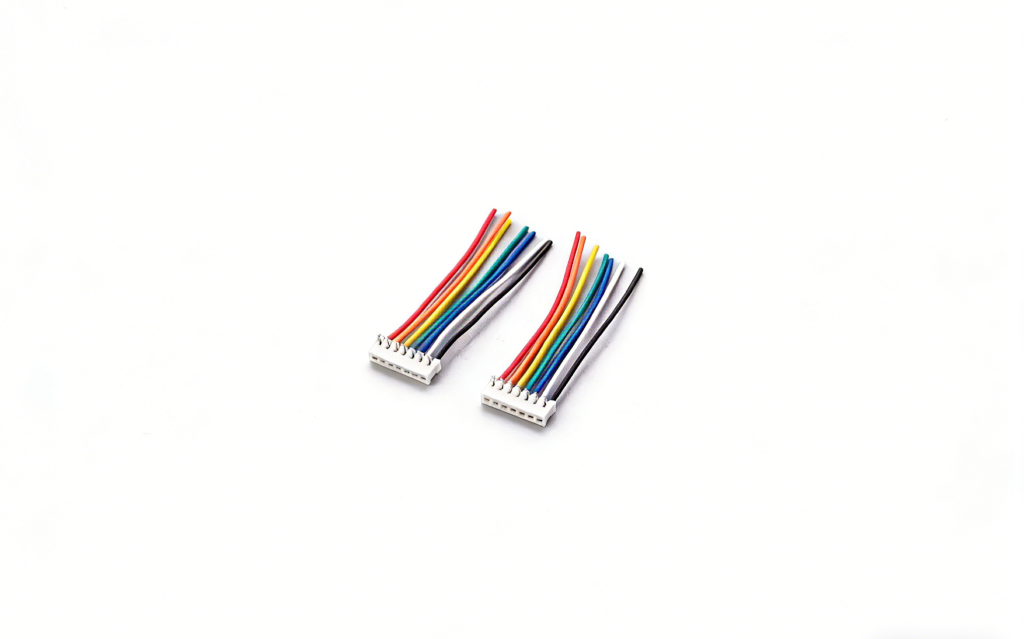
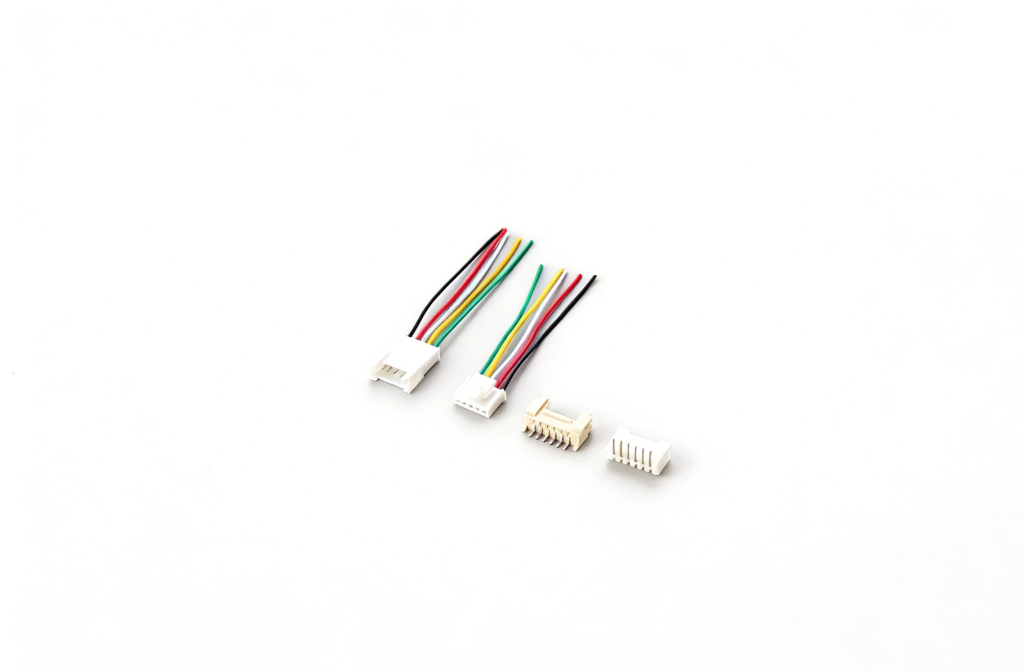
A terminal wire is a wire with a connector terminal attached at one or both ends. It is used to connect circuits, transmit signals, or distribute power.
Terminal wires form the foundation of:
- Wire harness assemblies
- Cable assemblies
- Custom electrical wiring solutions
In simple terms:
Terminal Wire = Wire + Terminal + Crimping/Soldering Process
Structure of a Terminal Wire
A standard terminal wire typically consists of:
1. Conductor
- Usually copper or tinned copper
- Determines electrical conductivity and current capacity
2. Insulation
- Materials: PVC, XLPE, Teflon
- Provides electrical insulation and protects against abrasion
3. Terminal (Connector)
- Connects the wire to devices or connectors
- Common types: pin terminal, socket terminal
4. Outer Jacket (Optional)
- Enhances durability and resistance to environmental factors
Common Types of Terminal Wires
Terminal wires are classified based on structure and usage:
Single-Ended Terminal Wire
- One end with terminal; the other end stripped or prepared for soldering
- Used for internal wiring and device connections
Double-Ended Terminal Wire
- Both ends crimped with terminals
- Widely used in wire harness assemblies
Waterproof Terminal Wire
- Sealed for protection against water and moisture
- Ideal for automotive and outdoor applications
Custom Cable Assembly
- Fully tailored length, wire gauge, insulation, and terminal type
- Supports OEM and specialized projects
Applications of Terminal Wires
Terminal wires are used in many industries:
Automotive
- Engine wiring, battery cables, lighting harness
- Key component of automotive wire harnesses
Consumer Electronics
- Internal connections in computers, appliances, and smart devices
Industrial Equipment
- Power distribution and control system wiring
Telecommunications
- Signal transmission and network device connections
Manufacturing Process of Terminal Wires
High-quality terminal wires rely on precise manufacturing:
- Wire Stripping – Exposing the conductor
- Crimping – Securely attaching terminals
- Soldering (Optional) – Improves reliability in some applications
- Assembly – Bundling for wire harnesses or cable assemblies
- Testing – Continuity, pull force, and inspection for quality assurance
How to Choose the Right Terminal Wire
Consider the following factors when selecting terminal wires:
- Current and voltage rating
- Operating environment (temperature, moisture, vibration)
- Terminal compatibility
- Wire gauge (AWG)
- Customization requirements for wire harness or cable assembly
The right choice ensures long-term performance, safety, and reliability.
Terminal Wire vs. Wire Harness
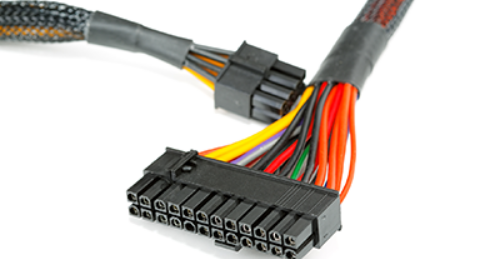
Terminal wires are the building blocks of wire harnesses. Multiple terminal wires are bundled and organized to form a complete wire harness system, simplifying installation, enhancing reliability, and improving overall efficiency.
Conclusion
Though small, terminal wires play a critical role in any electrical system. Understanding their structure, types, applications, and manufacturing process helps you choose the right wire harness solution for your projects.
For high-quality terminal wires, custom wire harness assemblies, or cable assembly solutions, partnering with an experienced manufacturer ensures durability, performance, and peace of mind.