-
0769-38866368



5 Ways Custom Wiring Harnesses Simplify OEM Production
For OEM manufacturers, reducing production costs does not always mean choosing cheaper components. In many cases, a better-designed wiring harness can improve assembly efficiency, reduce installation errors, and simplify production.
A wiring harness connects multiple electrical components into one organized assembly. When it is designed and manufactured correctly, it can make the final product easier and faster to assemble.
For companies producing industrial equipment, control systems, automation equipment, energy storage systems, and other electrical products, wiring harness design should be considered part of the overall manufacturing strategy.
1. Reduce the Number of Assembly Steps
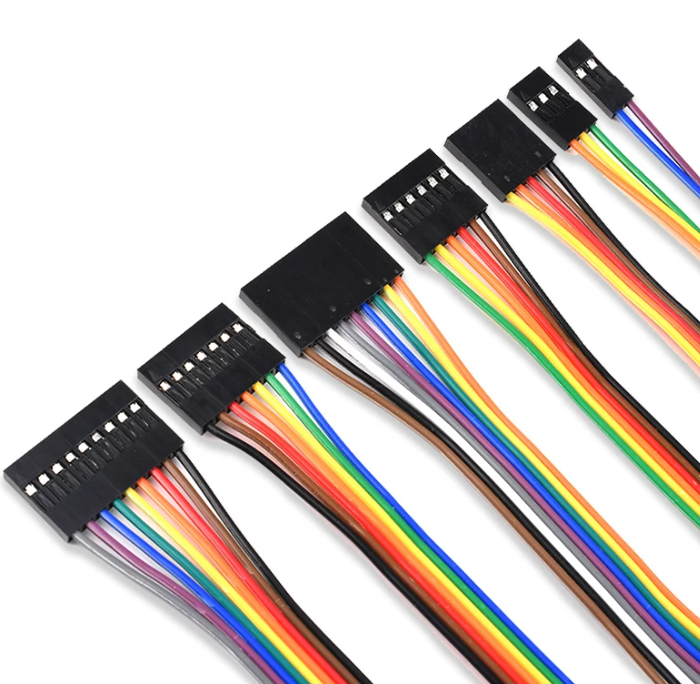
One of the biggest advantages of a custom wiring harness is that multiple individual wires and components can be combined into one finished assembly.
Instead of having operators:
- Measure individual wires
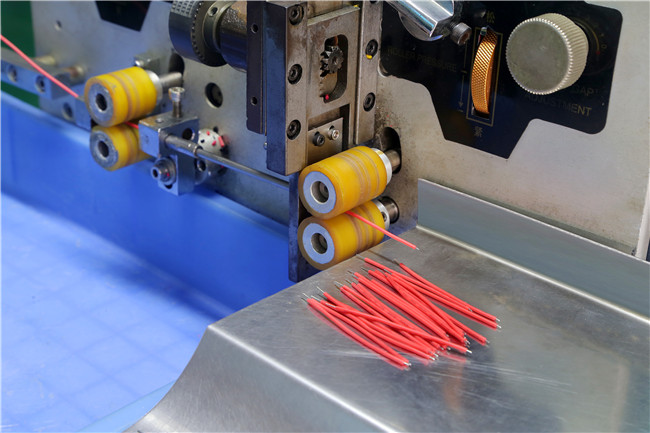
- Cut cables
- Strip insulation
- Crimp terminals
- Install connectors
- Route wires
- Identify individual circuits
A pre-assembled wire harness can arrive ready for installation.
This reduces the number of manual operations required on the production line and can help improve assembly consistency.
For high-volume manufacturing, even a small reduction in assembly time per unit can create significant savings over thousands of products.
2. Simplify Final Product Installation
A complicated wiring system can make final assembly difficult.
Different wire lengths, similar-looking connectors, and poorly organized cables can increase the chance of installation mistakes.
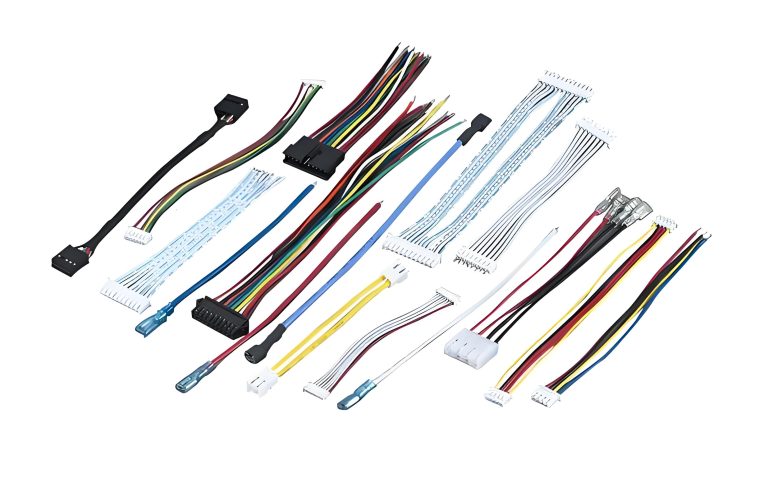
A custom wiring harness can be designed with:
- Different wire lengths
- Clearly defined branches
- Connector keying
- Labels
- Protective sleeving
- Clips and mounting points
- Color-coded wires when required
These features can make it easier for production operators to identify where each connection belongs.
The result is a more organized installation process.
3. Improve Wire Routing
Wire routing is often overlooked during product development.
If individual wires are too long, they may need to be bundled or secured manually. If they are too short, installation can become difficult or impossible.
A properly designed wiring harness considers the actual routing path inside the finished product.
This can include:
- Bend locations
- Branch positions
- Connector orientation
- Mounting points
- Required slack
- Clearance from moving components
- Protection from abrasion or heat
By designing the harness around the final installation environment, manufacturers can reduce unnecessary wire length and avoid difficult routing problems.
4. Reduce Wiring Errors
Manual wiring creates opportunities for human error.
An operator may connect the wrong wire, install a connector incorrectly, or route a cable through the wrong location.
A professionally manufactured wire harness can reduce these risks by standardizing the assembly.
For example, different connectors can be used for different circuits, while labels and predetermined wire lengths can make installation more straightforward.
Electrical testing at the harness manufacturing stage can also help identify continuity or wiring problems before the harness reaches the OEM production line.
This moves part of the quality control process upstream.
5. Improve Production Consistency
When wiring is assembled manually at the final production stage, the result may vary between operators.
One assembly may have wires routed slightly differently from another. Another may contain excessive cable length or inconsistent bundling.
A custom wiring harness provides a repeatable assembly solution.
Each harness can be manufactured according to the same:
- Wire specifications
- Cut lengths
- Connector configuration
- Terminal specifications
- Crimping requirements
- Branch locations
- Labeling requirements
- Testing procedures
This consistency is particularly valuable for OEM manufacturers operating repeat production.
6. Make Quality Control Easier
Quality control becomes more manageable when the wiring system is standardized.
Instead of inspecting every individual wire installation on the final production line, the OEM can receive a completed harness that has already gone through manufacturing inspections and electrical testing.
Depending on the project, wiring harness inspection may include:
- Visual inspection
- Continuity testing
- Short-circuit testing
- Terminal crimp inspection
- Pull-force testing
- Insulation testing
- High-voltage testing
The exact testing requirements should be determined according to the application and customer specifications.
7. Optimize Material Usage
A custom wiring harness does not necessarily mean using more materials.
In fact, proper harness design can help optimize material usage.
For example, unnecessary wire length can increase both material cost and installation difficulty. Appropriate wire gauge selection, connector selection, and harness routing can help create a more efficient assembly.
However, cost optimization should never compromise electrical or mechanical performance.
The goal is not simply to use less material. The goal is to use the right materials in the right configuration.
8. Reduce Internal Labor Requirements
For many OEM manufacturers, labor can represent a significant portion of production costs.
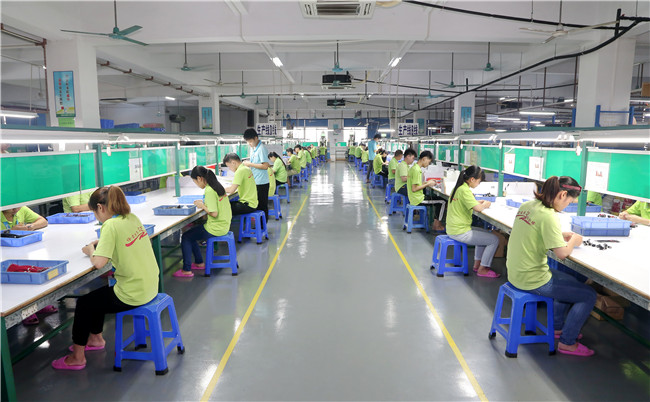
If employees spend a large amount of time preparing and installing individual wires, the company is effectively performing wiring harness manufacturing internally.
Outsourcing the harness assembly to a specialized manufacturer can shift these processes to a dedicated production environment.
The OEM can then focus more of its internal resources on final product assembly, testing, and system integration.
This can be particularly useful when production volumes increase.
9. Design the Harness With Production in Mind
A good wiring harness should not only work electrically. It should also be easy to manufacture and install.
This is where communication between the OEM and wiring harness manufacturer becomes important.
During the development stage, a manufacturer may identify issues such as:
- Difficult crimping locations
- Insufficient wire length
- Connector interference
- Excessive branch complexity
- Difficult installation paths
- Inappropriate terminal selection
- Unnecessary assembly operations
Identifying these issues before mass production can prevent expensive changes later.
10. Prototype Before Mass Production
For a new product, it is often beneficial to produce a prototype wiring harness before starting volume production.
A prototype allows engineers and production teams to verify:
- Overall harness length
- Connector locations
- Wire routing
- Branch positions
- Installation clearance
- Label placement
- Connector orientation
- Assembly time
Feedback from the prototype can then be used to improve the design before mass production begins.
This approach can help reduce the risk of large-scale production problems.
Conclusion
A wiring harness is more than an electrical connection between components. For OEM manufacturers, it can also be a tool for improving production efficiency.
A well-designed custom wiring harness can reduce manual wiring operations, simplify installation, improve consistency, minimize wiring errors, and make quality control easier.
Instead of evaluating a harness only by its unit price, OEM buyers should also consider how the harness affects the total manufacturing process.
The right wire harness assembly can help turn a complicated wiring process into a standardized and repeatable production step.
If your project requires a customized wiring harness, providing the wiring diagram, BOM, drawings, samples, or installation requirements can help a professional manufacturer develop a suitable assembly solution for your application.